If you have ever been to an elite space or a high-society party, you already know how the script plays out. People always greet each other warmly, and they will always make sure to compliment something from your outfit . It is a seamless dance of politeness, leading up to the ultimate high-society question: “Oh, this looks nice—where is this from?” To them, fashion is a delightful game of tracking brands, tracing origins, and curating an aesthetic. But if you strip away that shiny, elite bubble, you realize that tracing the actual origin of apparel and adornment in this country isn’t a casual party topic. It is a walk through a rigged game of social architecture, where your identity historically dictated whether your outfit was a style statement or a social transgression.
The elite love to pretend that “good taste” is just an innate gift. But the funny thing about having a good vocabulary is that you can only afford to learn it when your basic survival is already a guaranteed fact. If you Google search India’s multi-million-dollar luxury fashion houses, you will find a very predictable, homogenous roll call of upper-caste surnames dominating the curation and the profits. But if you strip away the polished showroom lighting, you find a pitch-black comedy of structural irony: the very elite who gatekeeper “good taste” rely entirely on marginalized labor to build their luxury all while weaponizing the names of those same communities as everyday household slurs for “bad fashion.”

This isn’t a new cultural trend; it’s by historical design. Take the material monopolies in the hills of Himachal. Historically, upper-caste Sahukars held an absolute grip over sheep breeding and wool resources. They made sure high-quality, warm pattu cloth stayed an exclusive visual badge of their own dominance, leaving everyone else to freeze in cheaper materials.
But if you step down from the hills, the systemic gatekeeping around footwear becomes a masterclass in pitch-black comedy. Historically, the unwritten law of the land stated that Dalits were strictly prohibited from wearing any kind of slippers or chappals in upper-caste localities. The baseline delusion of the dominant castes was that a Dalit’s footwear would somehow “impure” their sacred soil. If you actually managed to buy a pair of rubber slippers, you were literally forced to take them off and carry them on your back or your head just to walk past upper-caste land. Think about the sheer logistics of that fragile ego: grown adults panicking over a piece of rubber, forcing a human being to carry their own shoes to protect the “purity” of the dirt.
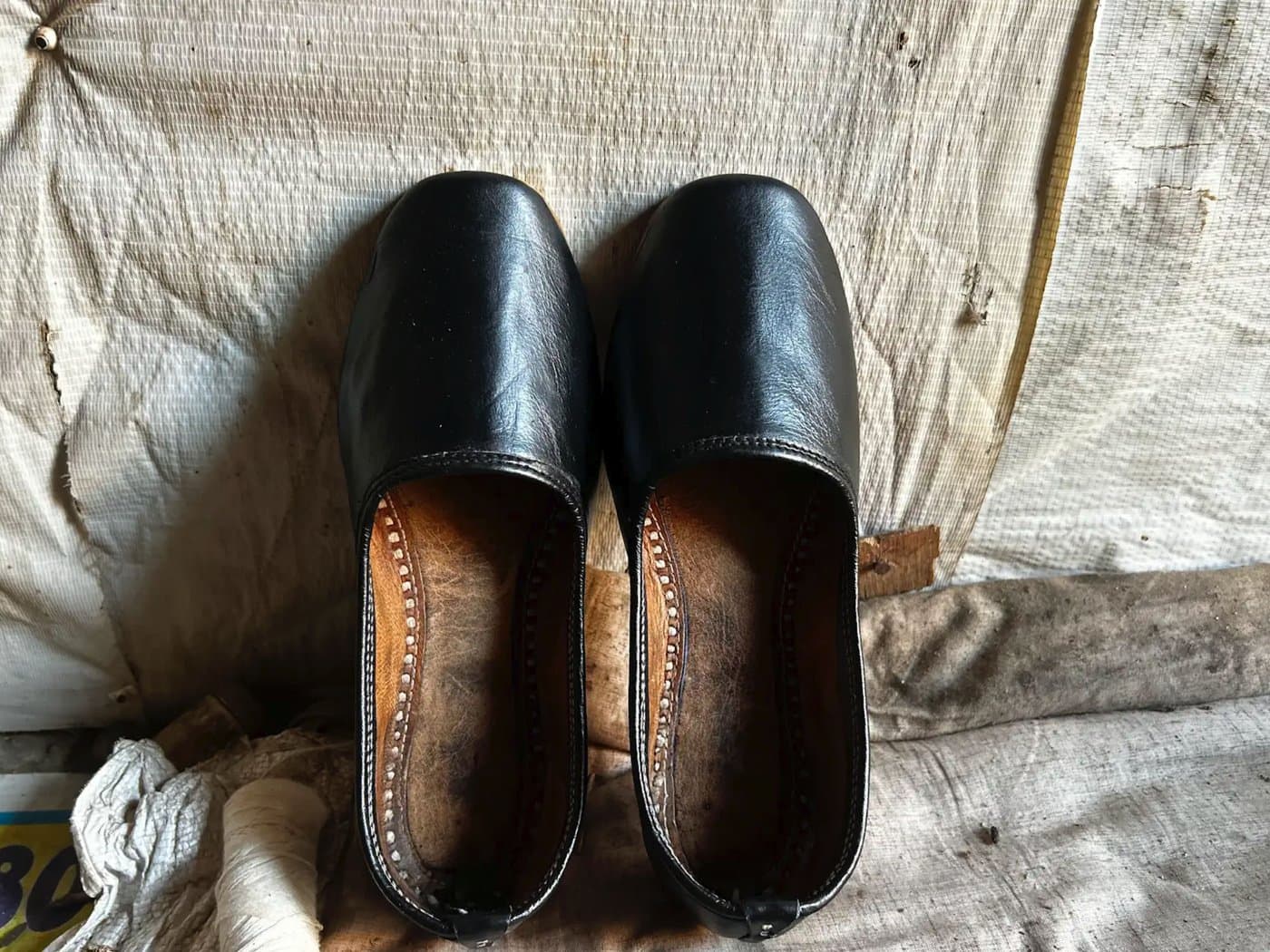
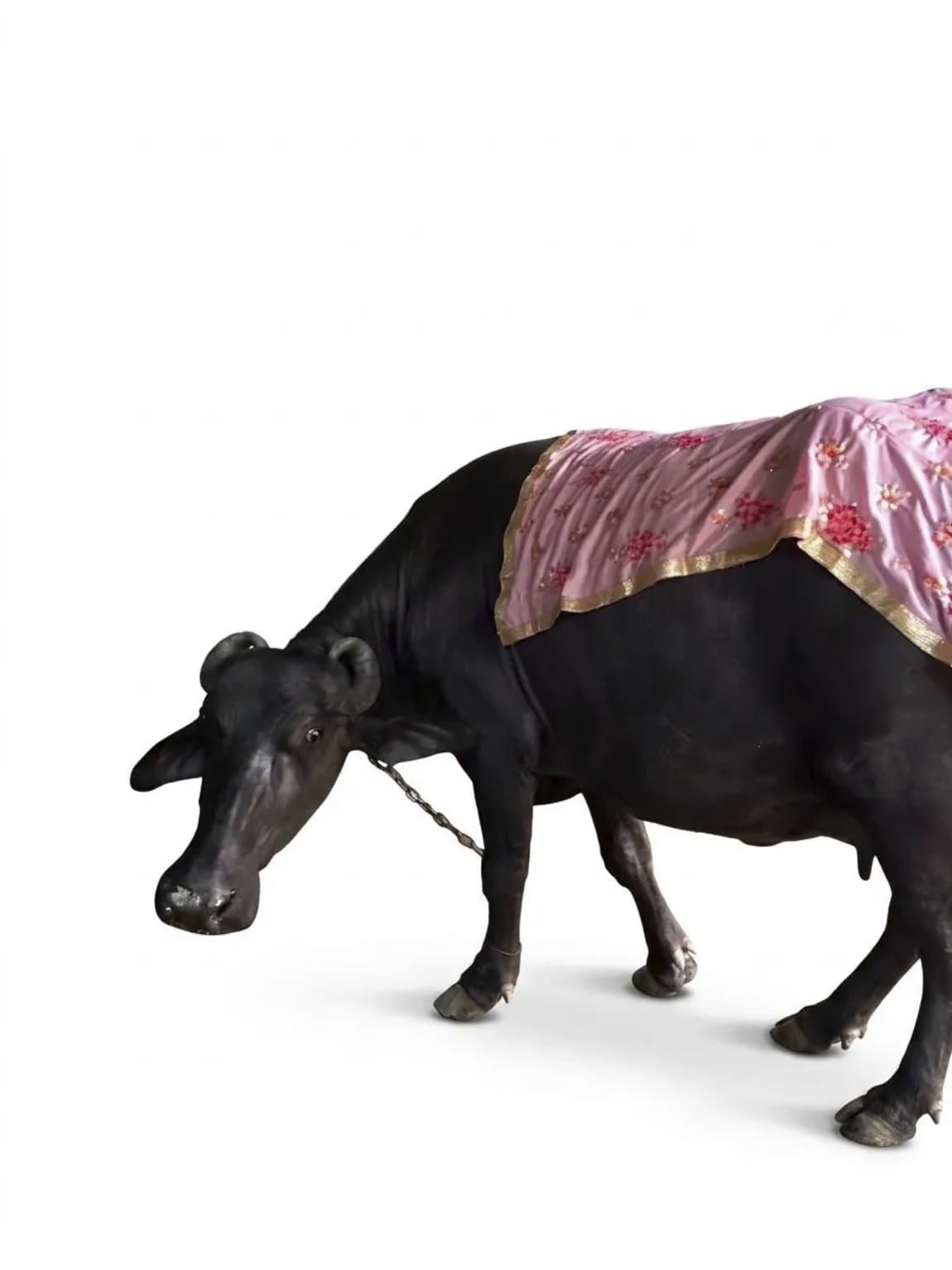
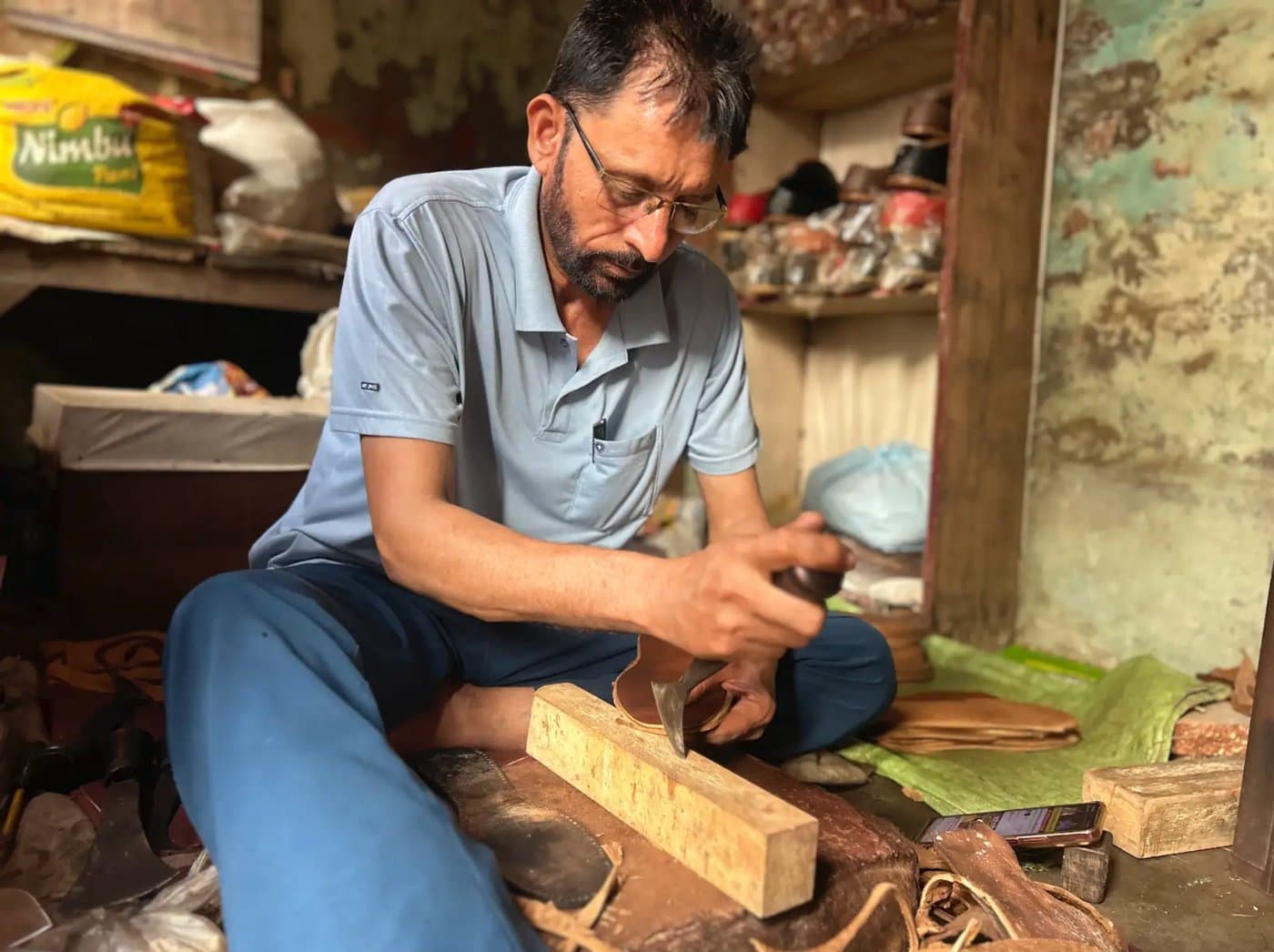
The irony gets wilder when you look at how the system flipped the script . The entire high-society fashion economy heavily relied on the Chamar community to process hides, tan leather, and stitch the premium juttis that those exact high-society folks wore to look important. In my own neighborhood in Kandela ,artisans crafted these beautiful leather shoes. But leather doesn’t grow on trees; it came from dead buffalos owned by the upper castes. This left the artisans trapped in a bizarre scarcity loop. To survive, they had to go hunting for dead cattle just to get hides for their craft.
The absolute peak of this madness is the math of the crime itself: if an artisan was caught salvaging a hide from a dead beast in a moment of scarcity, they could literally be killed by an upper-caste mob. Taking a piece of skin from a carcass is treated as a capital offense, but taking a human life in the name of purity is just standard social order. The unwritten contract was hilarious: “We will murder you if you take a dead animal’s skin, and we will force you to carry a rubber slipper on your head so our soil stays clean—but please make sure you manually handle those dead skins and stitch them into luxury leather shoes for our feet.”
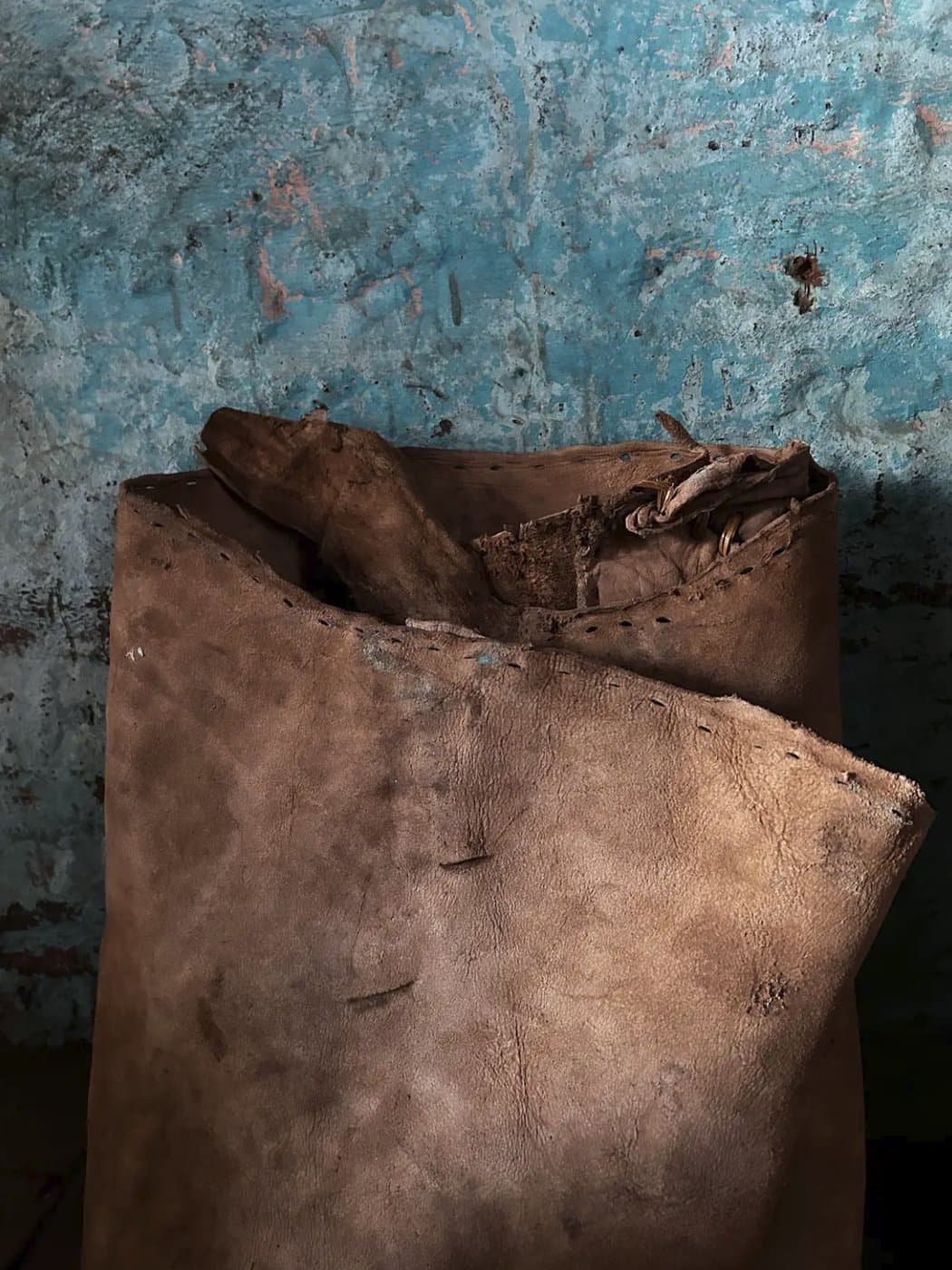
This labor leaves a literal footprint on the home. Because these families were forced into the heavy, chemical-laden labor of tanning leather and processing hides, their houses are full of salty, eroded ground. It is a harsh, textured reality that could never match the pristine look that the upper class looks for. The elite can stand around at parties obsessing over perfect floors because they outsourced the salt, the brine, and the stains of the production process to the soil of the people making their shoes.
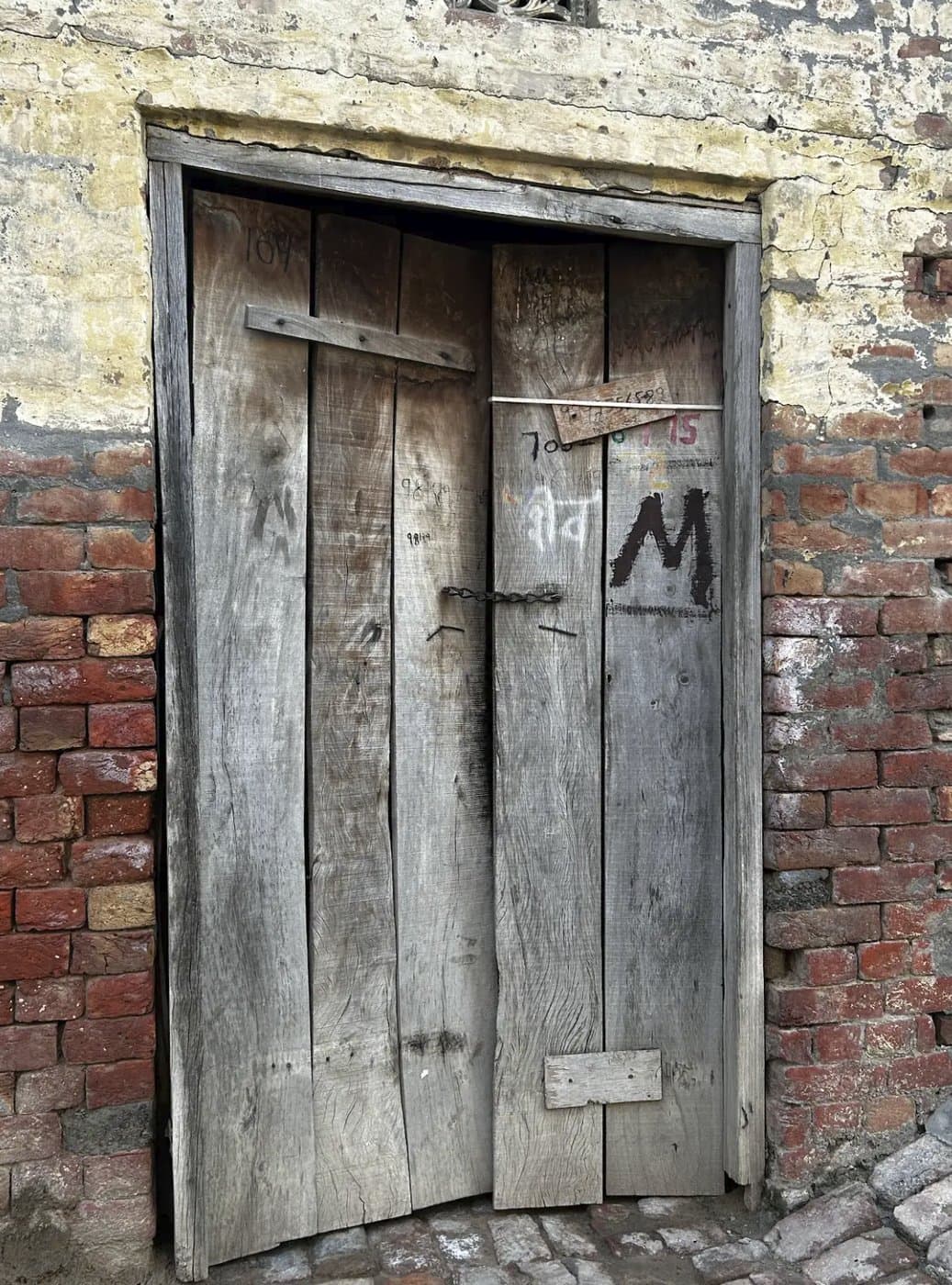
Instead of fading away, that exact obsession with policing bodies just upgraded its vocabulary for the modern world. Today, if someone wears an outfit that the dominant class deems “too bright” or “tacky,” society doesn’t just critique the style—it casually deploys the ultimate weapon of caste supremacy. In every upper-caste house around my neighborhood, people will look at an outfit that doesn’t fit their aesthetic and casually drop slurs like “Chooda” or “Bhangi,” weaponizing the name of an entire community as a literal synonym for a failure of refinement.
It is a spectacular double standard: the exact same saturated colors might get appropriated by an upper-caste designer next season and be celebrated as a “bold, experimental masterpiece.” But the moment a marginalized body steps out in it, a caste slur is dropped to immediately remind them of their place.
Honestly? The whole scorecard is rigged. The elite can keep their panel discussions on “heritage” while continuing to gatekeep who gets to be called a creator. But our style belongs entirely to us, and our joy is completely non-negotiable. We are done letting our aesthetics be audited by an audience that relies on our labor while insulting our names. The right to exist loudly, beautifully, and to design our own expression is a luxury they will never be able to gatekeeper.